
The National Traffic Council (NTC) will make big changes to traffic rules across the country starting in February 2025. The goal of these changes is to make the roads safer and make sure that people follow the rules of the road more strictly. People should get ready for new fines, stricter enforcement policies, and new driving penalties that are meant to stop reckless behaviour. Authorities want to lower the number of accidents and improve overall road discipline with these changes. It has never been more important for every driver in the country to know about the legal driving requirements.
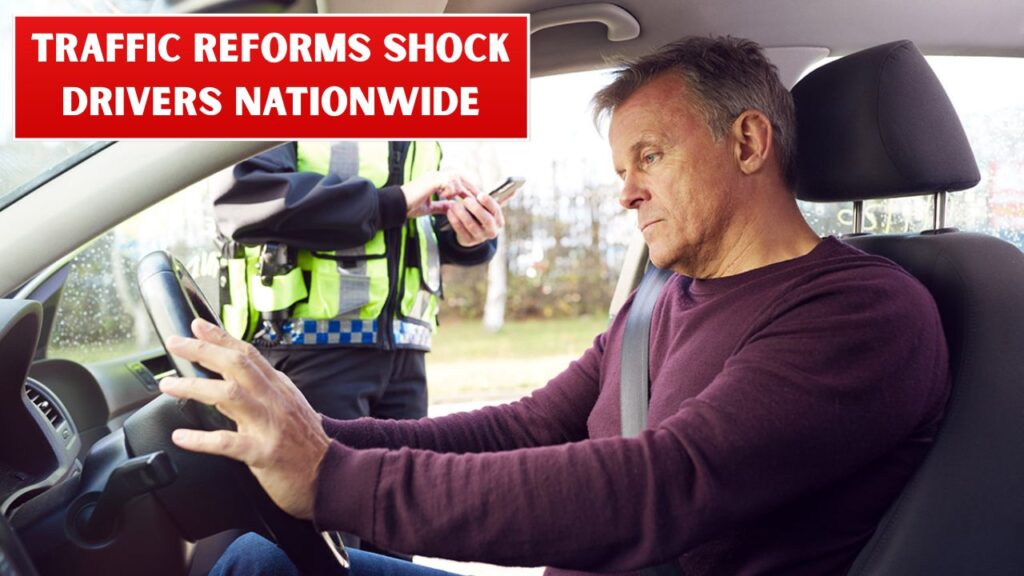
New Traffic Fines Across the Country
The NTC has changed the fines for traffic violations so that they are more consistent and work better to stop people from breaking the law. Drivers can now expect to pay more for things like speeding, running red lights, and parking illegally. The new fines also have “tiered penalties,” which means that the punishment will be different depending on how serious the crime is. This makes sure that both minor and major offences are treated fairly. Officials stress that it is important to pay attention to “new fine schedules” and “official notice boards” to avoid getting charged without warning. These changes are part of a larger plan to make roads safer all over the country.
Stricter Enforcement Measures Implemented
The NTC is also making it easier to catch repeat offenders and unsafe drivers by making the fines higher and the rules stricter. More monitoring means more roadside inspections, police checkpoints in high-risk areas, and automated traffic cameras. Drivers should know that serious offences like DUI or distracted driving can result in licence point penalties and immediate fines. These steps are meant to make drivers responsible and promote safe driving habits. Experts think that using technology and being proactive in enforcing the law will greatly lower the number of accidents across the country.
 Goodbye to Retirement at 65: Australia Signals Major Age Pension and Super Policy Changes Ahead
New Penalties for Driving Like a Crazy Person The changes make it harder to get away with reckless driving, like speeding too much, racing on the street, and unsafe overtaking. For serious offences, violators may have their licenses suspended for a short time, be required to take traffic courses, or even have their cars impounded. The NTC says that all drivers need to know the rules for penalties and their legal duties. These steps are meant to keep both drivers and pedestrians safe while making the streets of the city safer. People are encouraged to read the updated driving rulebooks to make sure they are following these stricter rules.
Summary of Changes to Traffic Laws
The traffic law changes that went into effect in February 2025 are a big step toward making the roads safer by imposing higher fines, stricter enforcement, and harsher penalties for reckless driving. The NTC says that drivers can avoid fines and keep the public safe by staying up to date on new traffic rules and penalty structures. Drivers are encouraged to take steps to protect themselves, such as checking official resources and going to traffic education programs. Drivers can help make the country a safer and more disciplined place to drive by following these new rules.
Speeding: $200–$500; DUI: $1,000; License points deducted;Traffic course that you have to take Immediate ticket given
 Super Alert: Government May Use Your Superannuation – What Aussie Retirees Must Know in 2026
Questions that people often ask (FAQs)
2. What will happen if I break the new rules?
People who break the rules could get fines, points on their licence, or have their licence suspended.
3. Do people who break the law more than once get different treatment?
Yes, harsher punishments are given to people who break the law more than once.
4. Where can I find out about new fines?
Where can I check updated fines?Official NTC resources list the new fines.