
New driving licence regulations for older Australians will begin on 20 February 2026. The growing number of drivers aged over 70 means it is important for senior motorists to understand what will be required of them. The changes are designed to help older drivers stay safe on the roads while keeping their independence and confidence behind the wheel. This article explains what seniors should know about the new rules and how they can get ready for them. The updated requirements recognize that more Australians are driving well into their later years. Road authorities want to balance safety concerns with the need for seniors to maintain their mobility & freedom. Understanding these changes early will help older drivers prepare properly and avoid any last-minute stress when the new system starts. Seniors who currently hold a valid licence should pay attention to the specific requirements that will apply to their age group. The changes may include different testing procedures or medical assessments depending on individual circumstances. Getting familiar with these requirements now means drivers can plan ahead & ensure they meet all necessary criteria before the deadline arrives.
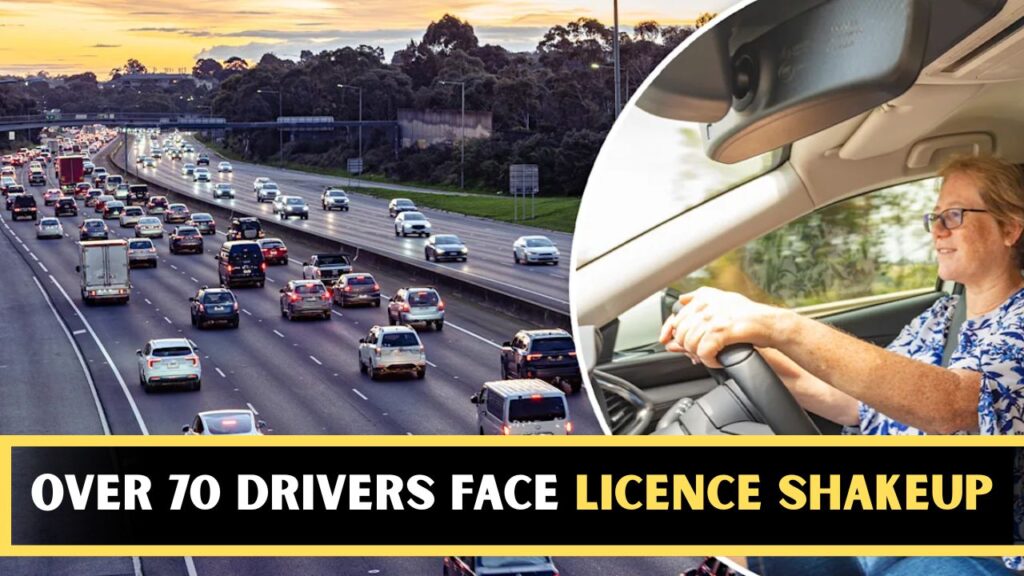
Over-70 Drivers in Australia: Licence Rule Changes
The Australian government is bringing in new driving licence rules for people aged 70 and older starting on 20 February 2026. Seniors will need to have more regular medical checks and vision tests to make sure they can drive safely. These changes aim to improve road safety by confirming that older drivers meet the required health and safety standards. The new measures include tougher health assessments and a licence renewal schedule based on age. Seniors should begin preparing now to meet these requirements.
What Seniors Must Do to Stay Compliant
Seniors must follow specific steps to meet the new requirements for keeping their driver’s license. They need to complete regular health checkups every two years. These checkups will examine their eyesight and mental sharpness along with their physical capability to drive safely. Doctors must provide written confirmation that the senior is healthy enough to drive. When evaluators notice potential problems during these checkups the senior might need to take extra tests or join a driving refresher class. Learning about these requirements ahead of time helps senior drivers avoid any problems with their legal driving status.
Key Dates and Renewal Process for Seniors
The new rules also include changes to the licence renewal process for seniors. Instead of renewing their licence every five years, those over 70 will be required to renew it every two years. To avoid missing important deadlines, seniors should ensure they submit all required paperwork and health assessments in advance. It is also important for drivers to keep up-to-date with renewal deadlines set by the state transport authorities as missing them could result in a temporary suspension of their driving privileges.
Summary or Analysis
The new driving licence rules for seniors in Australia are designed to keep roads safe while helping older drivers stay independent. The government now requires regular health checks and has shortened the renewal period to two years. These changes aim to reduce risks for senior drivers without taking away their ability to drive. Older Australians should prepare early and follow the new requirements to keep their licences valid. This way they can continue driving for as long as they are able to do so safely.
| Action | Details |
|---|---|
| Health Assessments | Every 2 years, including vision and cognitive tests |
| Licence Renewal | Renewal required every 2 years for drivers over 70 |
| Required Medical Report | Must submit a report from your doctor confirming fitness to drive |
| Driving Refresher Courses | May be required if concerns arise during health assessments |
Frequently Asked Questions (FAQs)
1. What are the new rules for over-70 drivers?
Starting on 20 February 2026 drivers who are older than 70 years will be required to complete health assessments more often than before. They will also need to renew their driving licences every two years instead of the current renewal period. This change means that elderly drivers will have regular medical checkups to ensure they remain fit to drive safely on the roads. The new system aims to monitor the health and driving ability of senior motorists more closely. The two-year renewal cycle replaces the previous arrangement and creates a more structured approach to licence management for this age group. Drivers affected by this change should prepare for the additional administrative requirements and medical evaluations that will become part of maintaining their driving privileges.
2. Do seniors need to take vision tests?
# Vision Requirements for Senior Drivers

Seniors must complete vision tests when they renew their driver’s licence. These vision checks are included in the standard health evaluations that older drivers need to go through during the renewal process. The vision testing requirement exists because eyesight naturally changes with age. Regular screening helps ensure that all drivers on the road can see well enough to operate their vehicles safely. When seniors apply to renew their licence they will be asked to demonstrate that their vision meets the minimum standards set by licensing authorities. These tests typically measure visual acuity and peripheral vision. Visual acuity refers to how clearly someone can see objects at various distances. Peripheral vision involves the ability to see things outside the direct line of sight. Both types of vision are essential for safe driving because they allow drivers to read road signs and spot potential hazards from the side. The testing process is straightforward & usually takes only a few minutes to complete. In most cases seniors can have their vision tested at the licensing office itself. Some jurisdictions also accept vision test results from optometrists or other qualified eye care professionals if the test was performed recently. If a senior does not meet the vision standards during testing they may still have options. They might be able to renew their licence with certain restrictions such as only driving during daylight hours. Alternatively they could get corrective lenses or treatment for eye conditions and then return for retesting. The goal of these vision requirements is not to prevent seniors from driving but rather to maintain road safety for everyone. Many older adults continue to drive safely for years after retirement. Regular vision testing simply helps identify any issues that might affect driving ability so they can be addressed appropriately.
3. What happens if seniors miss the licence renewal deadline?
# Rewritten Text
If seniors miss the deadline they may temporarily lose their driving privileges until they finish the renewal process.
4. How often will seniors need to provide medical reports?
# Driver’s License Renewal Requirements for Older Adults
Older drivers need to provide a medical report that shows they are healthy enough to drive safely. This requirement applies each time they renew their license, which happens every two years. The medical report must come from a qualified healthcare professional who examines the senior driver. The doctor checks various aspects of physical and mental health that affect driving ability. This includes vision quality, hearing capability reaction time, and overall physical coordination. The purpose of this requirement is to ensure road safety for everyone. As people age, certain health conditions can develop that might impact their ability to operate a vehicle safely. Regular medical assessments help identify any concerns early. The two-year renewal cycle with mandatory medical documentation creates a system of ongoing monitoring. This approach balances the independence and mobility needs of senior drivers with public safety considerations. It allows older adults to continue driving as long as they meet the necessary health standards. Seniors should schedule their medical examination well before their license expiration date. This gives them enough time to complete the assessment and submit all required paperwork to the licensing authority. The medical professional will complete specific forms that document the examination results and provide their professional opinion about the person’s fitness to drive.