
A major bank recently received a historic $240 million fine after investigators uncovered serious misconduct across its operations. This penalty represents one of the largest enforcement actions ever taken against a financial institution & demonstrates how regulators are intensifying their oversight of the banking industry. The bank operates in multiple countries around the world and faced numerous allegations during the investigation. Authorities accused the institution of breaking regulatory rules and engaging in unethical business practices. The size of this fine sends a clear message to other financial companies about what happens when they ignore the standards they are required to follow. This case shows that regulators are willing to impose substantial penalties on banks that violate the rules. The $240 million fine serves as a warning to the entire banking sector that misconduct will result in serious financial consequences. Other institutions are likely paying close attention to this case as they review their own compliance procedures. The investigation that led to this penalty took considerable time and resources. Regulators examined the bank’s practices in detail and found multiple areas where it failed to meet required standards. The findings revealed problems that went beyond simple mistakes and pointed to systemic issues within the organization. This enforcement action will probably influence how banks approach compliance and risk management going forward. Financial institutions may now invest more heavily in monitoring systems & employee training to avoid similar penalties. The banking sector as a whole will need to take this case seriously & make necessary changes to prevent future violations.
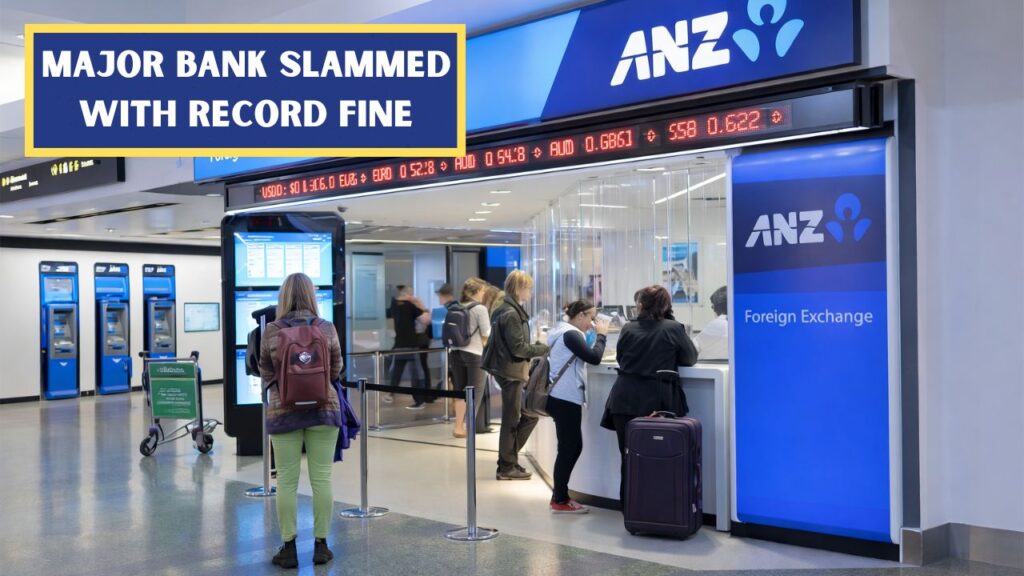
Record $240 Million Fine Imposed on Bank
A major bank recently received a $240 million fine that has drawn worldwide attention. Investigators found proof of extensive wrongdoing that affected several departments within the organization. This penalty ranks among the highest ever given to a financial institution. The investigation focused on multiple regulatory violations including market manipulation and insider trading. The bank also failed to follow anti-money laundering requirements properly. These violations impacted both individual customers and corporate clients and resulted in a significant loss of trust. The size of the fine demonstrates how serious these violations were. Regulators are sending a clear message that they will take strong action against financial misconduct. This case shows that authorities are willing to impose substantial penalties when banks break the rules.
Impact on the Banking Sector and Customers
This large fine sends a clear signal to the banking sector. Financial institutions now face increased oversight as regulators adopt stricter enforcement measures. Banks can no longer ignore compliance failures & must actively work to meet regulatory requirements. The impact on customers is just as important. The bank’s misconduct affected many customers & damaged their trust. Customer protection has become a priority with growing demands for better transparency and closer monitoring of financial practices.

Legal and Financial Repercussions for the Bank
The bank faces serious legal and financial consequences from this situation. Beyond paying the large fine the bank will probably deal with more lawsuits from customers who want compensation. Legal professionals believe these problems could cause the stock price to drop and harm the bank’s reputation for many years. The bank will also face stricter government supervision & tougher rules to follow. The fine might only be the start of the bank’s troubles since more penalties or limitations could come later. This case will likely influence how regulators handle similar situations in the financial industry going forward.
Summary and Analysis
The $240 million fine represents a major shift in how regulators handle financial misconduct. It highlights the importance of maintaining strong ethical standards & following compliance rules in financial institutions. Banks will need to adjust to stricter regulatory oversight going forward. This case demonstrates that lenient enforcement practices are no longer acceptable. Financial institutions must make compliance a top priority to avoid substantial penalties and damage to their public reputation.
| Violation Type | Fine Amount | Bank’s Response |
|---|---|---|
| Market Manipulation | $100 million | Apology and reforms |
| Insider Trading | $50 million | Settlement and compliance measures |
| Money Laundering | $40 million | Policy overhaul |
| Failure to Comply with Regulations | $50 million | Increased oversight and audits |
Frequently Asked Questions (FAQs)
1. What caused the $240 million fine?
The company received the fine because of serious wrongdoing that affected many areas of its business. This included manipulating markets and not following the rules designed to prevent money laundering.
 February 2026 Supermarket Price War: Coles Beats Woolworths in Full Basket Cost Comparison
2. How will this fine affect the bank?
The bank could experience additional lawsuits & a drop in its stock price. Its reputation might also suffer serious harm that could affect customer trust and business relationships for years to come.
3. What does this fine mean for the banking industry?
The fine shows that regulators are taking a tougher stance on enforcement. This development will likely encourage other banks to make compliance a higher priority so they can avoid facing similar penalties in the future.
4. Will customers be compensated for the misconduct?
The bank will likely reach settlements with customers who were affected but nobody knows yet how much money will be paid out in compensation.